|
Biosolids NewsClips - December 11, 2025
November’s NewsClips highlight how biosolids programs are being reshaped by increased PFAS scrutiny, public engagement, and emerging treatment technologies, and how utilities and communities navigate risk, innovation, and evolving regulatory expectations throughout the Mid-Atlantic and beyond.
MABA Region
PFAS and legacy contamination remained front and center in the Mid-Atlantic, even as utilities and innovators explored new ways to turn biosolids into higher-value products.
In Phoenixville, Pennsylvania, the borough is piloting a first-of-its-kind municipal facility in North America that converts sewage sludge into a coal-like fuel using hydrothermal carbonization (HTC). Operated by SoMax BioEnergy at the PXVNEO facility, the $6 million project applies heat and pressure to transform sludge into “biocoal,” an alternative energy source derived from “today’s carbon” rather than fossil fuels. Borough officials see the system as a pathway toward energy recovery and reduced reliance on land application, though early testing raised odor concerns that are now being addressed through upgraded air-filtration controls as the project moves toward full permitting.
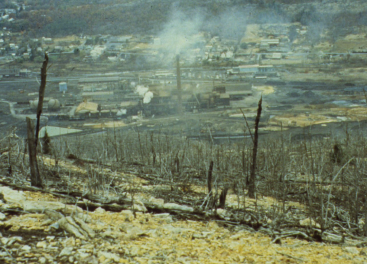
Elsewhere in Pennsylvania, EPA is reassessing conditions at the Palmerton Zinc Pile Superfund site after PFAS was detected in local drinking-water sources. The Palmerton Borough water department identified “biosolids used for vegetative growth” as the source in a recent water quality report, referring to sewage sludge that was applied decades ago as part of the site’s remediation strategy. Following a site investigation this summer, EPA concluded that PFAS likely originated either from the site itself or from remediation activities, and announced plans to install a PFAS treatment system for Palmerton’s water supply. Because PFAS testing for public drinking water has only been available and required in recent years, PFAS concentrations in Palmerton’s water sources prior to biosolids-based remediation remain unknown.
Across the region, public scrutiny of biosolids programs continued. In Orange County, Virginia, the Department of Environmental Quality hosted a public information session and hearing on reissuing a biosolids land-application permit amid calls for PFAS testing. Similar concerns in Virginia were raised in Northampton and Westmoreland counties, while Schoharie County, New York, unanimously extended its moratorium on biosolids application, citing ongoing health and environmental concerns.
National News
At the national level, court decisions continued to shape the regulatory context for biosolids, while public outreach efforts highlighted the essential value of wastewater infrastructure.
A federal court decision in James Farmer v. U.S. EPA dismissed a lawsuit seeking to compel EPA to regulate PFAS in sewage sludge under the Clean Water Act. While the ruling was welcomed by utilities and water organizations, it leaves unresolved a broader debate surrounding EPA’s January 2025 draft PFAS risk assessment for biosolids, which has prompted concern from agricultural and wastewater stakeholders over its potential impacts on land-application programs.
Away from the courtroom, World Toilet Day, observed on November 19, provided an opportunity to spotlight the often-overlooked systems that make modern sanitation possible. Celebrations in Portland, Oregon emphasized the complexity and scale of wastewater infrastructure that safely convey and treat wastewater every day. The observance served as a reminder that reliable sanitation depends on sustained investment in wastewater systems and the professionals who operate them, reinforcing the foundational public-health role of the wastewater sector.
International News
Internationally, PFAS policy is increasingly influencing discussions beyond the United States, meanwhile, utilities continue to manage familiar operational and infrastructure challenges commonly faced by the wastewater sector.
In Sarnia, Ontario, the failure of both centrifuges at the city’s biosolids processing facility forced officials to secure temporary dewatering services at significant cost, contributing to a projected budget deficit. The incident highlights how equipment reliability and redundancy remain critical to biosolids management, independent of regulatory pressures.
Separately, in Limerick, Ireland, Uisce Éireann began a major upgrade to sludge-treatment operations at the Limerick Wastewater Treatment Plant, including new odor-control and handling systems to address aging infrastructure. The project reflects continued investment in core wastewater assets to improve performance, manage community impacts, and support long-term operations.
MABA will continue to monitor these developments and provide timely updates to members.
If you have biosolids-related news to share or are interested in participating in MABA’s Communications Committee, please contact Mary Baker at 845-901-7905 or [email protected]
Biosolids News
(As of November 21, 2025)
MABA Region
Can Phoenixville’s sewage become ‘guilt-free coal’?
Phoenixville, PA (9 Oct 2025) - Inside a new building at Phoenixville’s sewage treatment plant, shiny, silver pipes wind between a heating apparatus, through green shipping containers and a giant hydraulic press. Nearby, against a wall sits a pile of a dark, brown substance that looks like dirt. But it’s something much more valuable than dirt. It’s “pretty much” coal, said Dan Spracklin, the founder of a company called SoMax. But instead of being mined from deep underground, it’s made from sewage sludge, or as Spracklin puts it, “today’s carbon.”
Northampton Board seeking DEQ information session on poultry plant biosolids
Northampton, VA (15 Oct 2025) - The Northampton County Board of Supervisors approved a letter at Tuesday night’s board meeting to the Virginia Department of Environmental Quality (DEQ) urging the regulatory body to hold a public hearing on the proposed land application of biosolids in parts of the county, citing widespread concern among local farmers and aquaculture producers.
Northampton directs County Administrator to explore actions in other localities regarding biosolid injection
Another discussion on dangers of biosolids held in Westmoreland
Westmoreland, VA (16 Oct 2025) - Michael Lightfoot has been bringing attention to the link between biosolids, PFAS– the category of compounds PFOS falls in– and the problems it creates, including a special presentation before the Westmoreland County Board of Supervisors in May. Last week, he and the Potomac River Keepers were hosted by the A.T. Johnson Museum as part of their ongoing collaboration with the Westmoreland County Museum, during which Dean Naujoks and Lightfoot went into extra detail on the threats that the saturation of these forever chemicals could present and what is currently being done about them.
$40M upgrade for Scranton Wastewater Treatment Plant
Scranton, PA (17 Oct 2025) - The new operations building at the Scranton Wastewater Treatment Plant is where the process begins for the water that Lackawanna County residents use every day. To serve approximately 30,000 homes and businesses each day, the plant has to run 24/7 and undergo constant upgrades. Operations manager Matthew White says this year, Pennsylvania American Water is investing more than $40 million into upgrading the plant for a more efficient and safer treatment process.
Schoharie County supervisors vote to extend biosolids moratorium
Schoharie County, NY (22 Oct 2025) - Schoharie County recently extended its moratorium on the application of biosolids on farmland. Members of the Schoharie County Board of Supervisors voted unanimously Oct. 17 to suspend the use of biosolids across the county for another six months. The vote supercedes its original moratorium and local law passed in May. The board cited potential health and environmental concerns resulting from the application of biosolids, defined as compost derived from a wastewater. Violators can be fined up to $1,000 per violation, per day.
Public hearing on biosolids to be held in Orange County amid concerns about ‘forever chemicals’
Orange County, VA (22 Oct 2025) - Treated sewage sludge, which is recycled and used to fertilize farmland, is front and center in Orange County, with some voicing concerns about environmental impact and health risks. On Thursday, October 23, beginning at 6p.m., the Virginia Department of Environmental Quality (DEQ) is hosting an informational session and public hearing at 11282 Government Center Drive. The latter will take up the reissuance of a permit that a company called Syangro LLC. is hoping to obtain in order to continue the application of biosolids, or sewage that has been treated, to about 2,500 acres of land in Orange County.
Orange County board asks state regulators to test biosolids for forever chemicals
EPA: Superfund cleanup ‘likely’ fouled Pennsylvania town’s water
Palmerton, PA (31 Oct 2025) - When this Lehigh Valley town’s prized zinc smelting factory closed in 1981, it left behind 3,000 acres of mountainous land so contaminated with heavy metals that nothing could grow. EPA prioritized the area for cleanup under the newly enacted Superfund law with hopes of containing the pollution. With the land devoid of vegetation, millions of tons of contaminated soil was at risk of spreading into rivers, creeks and the drinking water supply in Palmerton, a town of 5,600 people.
Westchester County Pumps $330K More Into Mamaroneck-New Rochelle Sludge Main Rehab
White Plains, NY (31 Oct 2025) - Westchester County officials amended a contract Thursday, adding $330,000 for extra design and construction administration on the Twin Sludge Force Main Rehabilitation serving Mamaroneck and New Rochelle, raising the total to $1,333,000 with D&B Engineers and Architects D.P.C. of White Plains. The “Twin Sludge Force Main Rehabilitation” project refers to a significant upgrade to the wastewater infrastructure that serves Mamaroneck and New Rochelle, specifically the pipes carrying sludge from the Mamaroneck Wastewater Treatment Plant to its outfall in the Long Island Sound.
Worried about PFAS in Antietam Creek? Here’s how to get a test kit
Waynesboro, MD (15 Nov 2025) - Potomac Riverkeeper Network will host a community meeting to discuss per- and polyfluoroalkyl substances in the Antietam Watershed. The meeting will take place from 5 to 7 p.m. Nov. 20 at the Zullinger Community Center, 4569 Buchanan Trail East, Waynesboro. The upcoming community meeting will provide attendees with information on PFAS sources. Free PFAS test kits will be available for the first 50 attendees. Additionally, ACWA will provide a limited number of test kits to residents in the Maryland portion of the Antietam.
Nationally
Sioux Falls sewer vision moves beyond plant expansion as $215M project nears end
Sioux Fall, SD (29 Sept 2025) - South Dakota’s largest city has been awarded nearly all of the state’s latest round of water, sewer and infrastructure support. The South Dakota Board of Water and Natural Resources OK’d more than $34.7 million in aid for further expansion of the city of Sioux Falls’ wastewater collection system.
DNR names paper companies responsible for PFAS contamination in a Wisconsin county
Stella, WI (30 Sept 2025) - The current and former owners of a Rhinelander paper mill are responsible for widespread PFAS contamination in the northern Wisconsin township of Stella, state environmental regulators said in new letters obtained by WPR. The letters come after a site inspection of the area to evaluate its potential listing as a Superfund site. The Wisconsin Department of Natural Resources conducted the inspection on behalf of the Environmental Protection Agency within Stella and the community of Starks in Oneida County, roughly 9 miles east of the city of Rhinelander.
Sludge is used as fertilizer across Wisconsin. How much is tainted by PFAS?
Sludge is Widely Used As Fertilizer, But It Could Include High Levels of PFAS Contamination
Elyria eyes uses for wastewater treatment byproducts
Elyria, OH (1 Oct 2025) - Residents pay Elyria to take their wastewater away, now the city is exploring ways it could dispose of the byproducts of that waste more sustainably — perhaps even in a way that makes the city some money. Elyria Wastewater Plant Superintendent Shayne Stewart will go before City Council with a request to approve an extensive study of the plant to review how it can be more sustainable and efficient and determine where upgrades may be needed.
Biosolids/Clean Water Act: Federal Court Addresses Citizen Suit Action Against U.S. Environmental Protection Agency Alleging Failure to Address PFAS
Sausalito, CA (2 Oct 2025) - The United States District for the District of Columbia (“Court”) addressed in a September 29th Memorandum Opinion and Order (“Memorandum”) an action against the United States Environmental Protection Agency (“EPA”), and intervenor-defendant National Association of Clean Water Agencies (“NACWA”) seeking to compel agency action regarding the regulation of sewage sludge (i.e., biosolids) under the Clean Water Act and the Administrative Procedure Act. See JAMES FARMER, et al., v. UNITED STATES ENVIRONMENTAL PROTECTION AGENCY, et al., No. 24-cv-1654 (DLF).
Court Dismisses Suit Forcing EPA to Regulate PFAS in Sludge
Stakeholders React to Federal Court’s Dismissal of Lawsuit Targeting PFAS-Laden Sludge
NACWA says court dismissal of biosolids lawsuit a water sector win
Inside the talks that led a contaminated Maine compost plant to be shut down
Bangor, ME (6 Oct 2025) - Tests that confirmed Maine’s largest composting plant had contaminated wetlands more than 2 miles away with “forever chemicals” shined a light on the broad extent of its pollution and likely hastened its closure. Casella Waste Management, the company that owns Hawk Ridge Compost Facility in Unity Township, cited changing regulations and a lack of facilities that could treat tainted soil and water as reasons for the closure, which was first reported by the Bangor Daily News last month.
The Evolving Regulatory Landscape of PFAS and Biosolids in Agriculture
Sausalito, CA (7 Oct 2025) - The U.S. Environmental Protection Agency’s (EPA) January 2025 draft risk assessment on per- and polyfluoroalkyl substances (PFAS) in biosolids has sparked significant concern across the agricultural sector. The EPA’s modeling suggests that even 1 part per billion (ppb) of perfluorooctanoic acid (PFOA) or perfluorooctane sulfonate (PFOS) in biosolids could pose health risks—a threshold many argue is impractical and could function as a de facto ban on biosolids use. The public comment period for the draft risk assessment was set to close in March 2025 but, after several extensions, closed in mid-August.
Tennessee mandates PFAS testing for sewage sludge used on farms, local use continues
Bristol, TN (7 Oct 2025) - The Tennessee Department of Environment and Conservation is now requiring water utilities to test sewage sludge known as biosolids for PFAS before using them as fertilizer on farmland. PFAS, a category of chemicals used in everything from non-stick cooking to firefighting foam to waterproof clothing, are often called "forever chemicals" and are linked to cancer. The change doesn't mean local utilities will stop using biosolids in Northeast Tennessee.
Tennessee mandates PFAS biosolid testing: But will their findings lead to enforcement?
Wisconsin lawmakers, regulators clash over PFAS protections in GOP bills
Madison, WI (7 Oct 2025) - Republican lawmakers say their latest bills to address PFAS would offer critical financial aid and protect innocent landowners from footing the bill for contamination they didn’t cause. They’re at odds with state regulators who argue the proposals would still let polluters off the hook. State Sen. Eric Wimberger, R-Oconto, and Rep. Jeff Mursau, R-Crivitz, reintroduced two bills that create grant programs to address PFAS contamination and exempt certain individuals and facilities from paying for PFAS cleanup under the state’s spills law.
The ubiquitous nature of PFAS regulation and litigation
Washington, D.C. (7 Oct 2025) - Litigation surrounding per- and polyfluoroalkyl substances (“PFAS”), commonly referred to as “forever chemicals,” seems to be as ubiquitous as PFAS allegedly is. Days ago, on Sept. 29, the United States District Court for the District of Columbia dismissed a lawsuit brought in August 2024 by, among others, Texas farmers, which alleged the United States Environmental Protection Agency’s (“EPA”) failure to regulate PFAS in treated sewage sludge used as fertilizer (also known as biosolids) violates federal law, namely, the Clean Water Act.
Massachusetts trails other states on forever chemical policies
Greenfield, MA (13 Oct 2025) - Massachusetts is not “in the vanguard” when it comes to addressing toxic “forever chemicals,” according to the Senate sponsor of a bill meant to help municipalities and water systems clean up related contamination. It’s the second time House Speaker Pro Tempore Kate Hogan and Senate Assistant Majority Whip Julian Cyr have filed legislation (S 1504, H 2450) that would phase out the use of per- and polyfluoroalkyl substances (PFAS), a class of chemicals that do not break down fully in the environment and are linked to harmful health issues like thyroid disease, liver damage, some cancers and immune system suppression.
Fertile ground: How a thesis took root in Immokalee
Lee County, FL (14 Oct 2025) - When Madeleine Tenny started her graduate studies at Florida Gulf Coast University, she wasn’t sure how she would adapt to her new home. She’d come to Florida from Pennsylvania by way of Brazil, and the Sunshine State’s ecosystems felt both foreign and strangely familiar. Now, Tenny is fully immersed in that world as a research assistant with the University of Florida’s Institute of Food and Agricultural Sciences. Tenny’s master’s thesis focused on a deceptively simple question: Could compost made from biosolids — the organic solids recovered from wastewater treatment — help improve sustainability for crops like basil in Southwest Florida?
Lawmakers talk trash, forever chemicals while touring Maine’s biggest waste facilities
Augusta, ME (16 Oct 2025) - A group of lawmakers, lobbyists, advocates and interested members of the public made a pilgrimage to three of Maine’s waste facilities Wednesday to see for themselves how the state is handling the roughly 1.8 million tons of waste generated each year. Maine Sen. Denise Tepler (D-Sagadahoc) said the tour was intended to give members of the Legislature’s Environment and Natural Resources Committee, which she co-chairs, a chance to better understand the facilities that their work helps govern. Waste is a pressing environmental issue in the state right now, evidenced by the upwards of 40 people that joined the tours.
Digestor cleaning Approved
Oxnard, CA (17 Oct 2025) - The Public Works and Transportation Committee, on Tuesday, October 14, unanimously approved its agreement with Synagro-WWT and digester cleaning services. Assistant Public Works Director Tim Beaman presented the agreement for $1.186 million in digestor cleaning services, with a one-year term from November 4, 2025, until November 3, 2026. “Our Wastewater facility is a secondary treatment facility that uses anaerobic digestion for solid stabilization,” he said. “Three anaerobic digestors process sludge from primary and secondary treatment processes.”
Maine's wastewater industry urges state to stop landfilling biosolids
Portland, ME (20 Oct 2025) - Wastewater experts in Maine are urging lawmakers to review four newly released studies on biosolids. Those studies look at the effect of landfilling them. Since 2022, Maine has banned spreading treated sewage sludge on land after concerns over PFAS contamination. Since the ban, 100-percent of Maine biosolids have been landfilled or shipped out of state. But now some experts say land application is safer than landfilling.
Oldsmar declines to participate in county’s biosolids project
Oldsmar, FL (21 Oct 2025) - The city of Oldsmar is pumping the brakes on a regional wastewater initiative, with the City Council unanimously voting Oct. 7 to decline participation in Pinellas County’s proposed Regional Resource Recovery Facility. The decision was driven primarily by cost concerns, as initial estimates place the price of joining the project at up to four times what the city currently pays for biosolids disposal.
Sludge removal project springs 'minor leak' in Mahomet
Mahomet, IL (21 Oct 2025) - A project to pump sludge away from a treatment pond through in a northern Mahomet subdivision experienced a setback last week when it sprang a leak. Cameron Wygant, chair of the Sangamon Valley Public Water District board, told The News-Gazette that work being done by contractors “resulted in a minor leak of biosolids from a temporary pipe bridge” over Briarwood Lane on Thursday in the Thornewood subdivision.
Orofino City Council authorizes moving forward with biosolids plan
Orofino, ID (22 Oct 2025) - During their regular session Oct. 14, Orofino’s City Council authorized moving forward with a plan to construct the equipment at the Wastewater Plant to convert biosolids into Class A food grade form. For a number of years, the city’s biosolids have been trucked to Kamiah as Class B biosolids and spread on farmers’ fields under Idaho Department of Environmental Quality (DEQ) guidelines. Kamiah has notified the City of Orofino that they will no longer take those biosolids after Jan. 1, 2026. Since that time a few weeks ago, Water/Wastewater Supervisor Michael Martin has been exploring the alternatives to dispose of the biosolids.
Wyoming to start sending its sewage to Grand Rapids in new 6-month trial
Grand Rapids, MI (23 Oct 2025) - The city of Grand Rapids will be temporarily processing the sewage of a neighboring suburb that is currently weighing options for its future waste processing infrastructure. For the next six months, Wyoming will be sending its wastewater sludge to be processed at the city of Grand Rapids’ biodigester so it can be broken down and turned into renewable natural gas, according to a new agreement approved by both cities this week.
Environmental group asks Bellingham to landfill, not burn, sludge from Post Point
Bellingham, WA (27 Oct 2025) - Environmentalists are urging the City of Bellingham to consider landfills as an alternative to incineration at the Post Point wastewater treatment plant, but city representatives say maintaining the incineration process is the best option while other technology emerges. “We’re not saying we’re going to incinerate forever, but we have to invest in the incinerators,” said Post Point plant operator Steve Bradshaw. “If we want to start a project today, that’s seven to 10 years to completion.”
Should human waste be used as fertilizer in Oklahoma? Lawmakers debate the topic
Oklahoma City, OK (28 Oct 2025) - Oklahoma lawmakers spent several hours at the state Capitol on Tuesday questioning experts about the use of human waste, scientifically known as biosolids, as fertilizer. "We’re discussing biosolids or sewage sludge or humanure or what is really human and industrial waste," state Rep. Jim Shaw said. Lawmakers considered the risks and rewards of using biosolids.
Special judge sets deadlines in biosolids lawsuit
Bartholomew, IN (29 Oct 2025) - A special judge has approved a schedule that sets deadlines in a lawsuit challenging a Bartholomew County ordinance restricting out-of-county biosolids. Jackson Superior Court 1 Judge Amy Marie Travis, who is serving as special judge in the case, has set a deadline for plaintiff Biocycle LLC to submit a motion for summary judgment by April 2, with the county having until May 4 to file a response brief and any motion for summary judgment of its own.
Sludge-to-fuel experiment rests on pending grant
Miami, FL (29 Oct 2025) - Any further work on the revolutionary technology to turn wastewater sludge into salable fuel to power cruise ships is contingent on whether federal funding is announced for the project on Oct. 31, according to the Miami-Dade Water and Sewer Department. If the federal grant is approved, county commissioners will receive credit for in-kind expenses.
From sink to sewage to sludge, to a clean Platte River
Brighton, CO (31 Oct 2025) - The trick behind Metro Water Recovery’s Northern Plant in Brighton, according to public information specialist Maritza Franco, isn’t that it takes nearly 8 million gallons of water flushed and swirled down sinks across western Adams County each day, sending it back to the Platte River. At the Northern Metro Recovery Treatment Plant, after the water is cleaned and disinfected, it flows into the Platte River, where it is safe for the environment, wildlife, fishing, recreation, agriculture, and kayaking.
Michigan officials update residents on Thompson Pond PFAS investigation
Port Huron, MI (30 Oct 2025) - State environmental and health officials met with residents on Wednesday, Oct. 29, to share new findings and ongoing efforts to address elevated PFAS levels detected near William P. Thompson Pond in Port Huron Township, one of several areas under investigation in St. Clair County. The Michigan PFAS Action Response Team hosted a public meeting at the Blue Water Convention Center in Port Huron, drawing local residents, health officials and regulators for the latest in a continuing series of community updates.
Council approves new EMS contracts, upgrades for wastewater treatment
Watertown, WI (6 Nov 2025) - The City of Watertown Common Council passed a couple of EMS and fire resolutions and two more regarding the Wastewater Treatment Plant. The Fire Department currently provides services to portions of four surrounding Towns: Emmet, Milford, Shields, and Watertown. With the current contract expiring, the two-year agreement in a resolution has townships paying an amount of $422,298.43 each year.
$2.4M wastewater treatment plant rehabilitation underway in Bastrop
Bastrop, TX (6 Nov 2025) - Work is steadily progressing on the rehabilitation of Wastewater Treatment plants No. 1 and No. 2 in Bastrop, according to city officials. Both facilities, located at 300 Water St., Bastrop, were severely impacted by grit and debris that have accumulated in the aeration basin—deposits that have led to a loss in treatment capacity, according to a staff report.
A "sludge dryer" is Kalamazoo's latest proposal to address the stench from the sewer plant
Kalamazoo, MI (11 Nov 2025) - The Kalamazoo Water Reclamation Plant emits over a ton of noxious hydrogen sulfide gas annually.
Data from the state of Michigan shows air quality around the sewer plant in Kalamazoo's Northside Neighborhood has improved slightly. That’s after the city finished a new pipe for wastewater from a neighboring paper plant. Now the city’s pursuing its latest odor-busting project — a $135 million sludge dryer.
Rep. Walberg, City of Bronson secure nearly $2M to improve wastewater treatment plant
Bronson, MI (14 Nov 2025) - The city of Bronson is set to receive nearly $2 million in federal funds to improve their wastewater treatment plant. The funding is part of a larger $2.6 million infrastructure improvement project that comes as part of the government funding package (H.R. 5371). "I was proud to vote in support of legislation to reopen the federal government and provide funding for multiple community projects within Michigan's 5th Congressional District," said Rep. Tim Walberg, who helped secure the funding.
Bronson receives grant for wastewater-treatment plant
From Sewer to Furnace: How Wastewater Sludge Is Greening Steel Production
Pasadena, CA (16 Nov 2025) - What comes out of our wastewater treatment plants may not be very appealing, but the real problem is what is left behind after water treatment. Wastewater plants produce a liquid sludge that is usually dried and then burnt or dumped. This is costly, polluting, and has long been considered wasteful. A group of EU-funded researchers see it differently. This sludge, they argue, could become an unlikely ally in the fight against climate change – a feedstock for producing the hydrogen and carbon needed to make greener steel.
Where Does It All Go? UF Scientists Tackle the Hidden Impacts of Wastewater and Biosolids
Gainesville, FL (17 Nov 2025) - Each resident in Florida generates around 100 gallons of wastewater per day. This requires a massive effort of treatment and filtration for sustainable use. The solid waste that is filtered out becomes a byproduct of the process, called biosolids. Reclaimed wastewater and biosolids are piling up, with some areas in Florida offering reclaimed water for a virtually free or extremely low cost. Unfortunately, contaminants remain present in these resources despite the extensive treatment process, and the use of these could lead to unforeseen consequences. Such a widespread problem needs a collaborative solution.
Thinking of using biosolids on agricultural land? Here are the agronomic, environmental, and safety considerations
Parsons, KS (18 Nov 2025) - Publicly owned water treatment works and onsite wastewater systems generate by-products known as biosolids, leftover organic materials that can serve as valuable soil amendments for agricultural production. In Kansas, approximately 80% of wastewater treatment facilities recycle biosolids through land application rather than disposing of them in landfills or incinerating them. When handled properly, biosolids can provide nutrients and improve soil properties, offering both agronomic and environmental benefits.
Show your toilet some love for World Toilet Day
Portland, OR (19 Nov 2025) - Established by the United Nations, World Toilet Day is celebrated each year on November 19. It reminds us that no matter how much the world changes, we will always need toilets—and the essential systems that keep them flowing. While flushing your toilet may seem like magic, it's actually the result of complex systems and a lot of hard work. The drinking water system delivers the water your toilet uses to flush. Then wastewater infrastructure safely collects and treats water after the flush.
Internationally
Major upgrade begins at Limerick water treatment plant
Limerick, Ireland (7 Oct 2025) - An odour extraction unit will be introduced to improve air quality around the facility.
Uisce Éireann has commenced a critical infrastructure upgrade at the Limerick Wastewater Treatment Plant in Bunlicky, County Limerick. The project, known as the ‘Interim’ Sludge Project, will modernise the facility’s sludge treatment capabilities. The investment is needed as the plant, which has operated since 2003, is experiencing issues with ageing infrastructure.
Wastewater plants leak major ammonia emissions: study
Melbourne, Australia (8 Oct 2025) - Wastewater treatment plants are releasing far more ammonia into the atmosphere than previously recognized, an Australian study finds. Agriculture is the largest contributor to atmospheric ammonia, but researchers have confirmed sludge drying pans, a common fixture in treatment plants, also release ammonia gas, an emission generally overlooked in wastewater operations, according to Australia's University of Melbourne-led study published Wednesday in Nature Water.
City officials say province, feds commit more funds for North End sewage plant
Winnipeg, Manitoba, Canada (14 Oct 2025) - Winnipeg ratepayers might not face as steep an increase in water bills as once feared after provincial and federal governments confirmed they will put more money toward the city’s multi-billion dollar sewage treatment plant expansion. Officials from the water and waste and finance departments told council’s finance committee Tuesday that new commitments through the Canada Housing Infrastructure Fund bring funding for the biosolids facility — the second phase of the North End Sewage Treatment Plant upgrade — back to roughly one-third shares among all three levels of government.
City tries to get the most bang for its (sewage) buck
RM of Corman Park approves Saskatoon biosolids pipeline corridor project
Saskatoon, Saskatchewan, Canada (16 Oct 2025) - The RM of Corman Park has given its endorsement to a project referred to as a “game-changer” for the region in terms of its importance to neighbouring communities and future development — a proposed pipeline corridor project serving a new biosolids processing facility for the City of Saskatoon. Councillors voted 5-3 at their September 23 meeting to endorse the biosolids pipeline corridor subject to the City of Saskatoon receiving provincial funding for the project.
TransAqua looks at costs of new ways of disposing of sewage byproduct
Moncton, New Brunswick, Canada (21 Oct 2025) - The Moncton region's wastewater utility is looking at alternatives to composting a sewage byproduct. TransAqua has turned biosolids removed from Moncton, Dieppe and Riverview wastewater into compost at a facility near Moncton's north end. The site has been blamed for an occasional pungent smell in the New Brunswick city's north end.
Moncton council reviews odour issues with TransAqua
Hà Nội urged to turn sludge waste into resource for sustainable growth
Ha Noi, Vietnam (5 Nov 2025) - City authorities and environmental experts are calling for a long-term strategy to transform Hà Nội’s growing sludge waste from a costly environmental burden into a valuable resource for sustainable development. Chairman of the city’s People’s Committee Trần Sỹ Thanh said years of limited dredging had left Hà Nội’s rivers and lakes clogged with sediment, worsening flooding after heavy rain.
Biosolids facility breakdown contributing to projected $6.8-million Sarnia deficit
Sarnia, Ontario, Canada (6 Nov 2025) - Both centrifuges at the excrement-processing sludge facility failed, meaning Sarnia had to contract a “dewatering” service for about two months to keep the process going, to create farm field fertilizer, said city engineering and operations general manager David Jackson. The overall hit is about $1.5 million – $700,000 in 2024, and about $800,000 in 2025, city budget documents show.
Alternatives for handling waste
Taipei, Taiwan (7 Nov 2025) - Agricultural and environmental authorities have been overwhelmed with work as a result of the African swine fever (ASF) outbreak. However, the authorities responsible for performing a critical function — sewage treatment — seem to have been overlooked. In other countries where sewage systems are widespread, the common practice is to grind up kitchen waste and flush it into the sewage system, where it is ultimately treated at wastewater treatment plants.
Sewage sludge facility approved near Andover
Andover, England (14 Nov 2025) - A new sewage sludge storage facility, described as the ‘first of its kind’, will be built near Andover despite strong opposition from residents worried about the smell. The application was approved by Hampshire County Council’s regulatory committee on November 12, which said there was a clear need for additional wastewater treatment capacity. The proposal from Draintech Tankers aims to address growing issues in wastewater treatment by creating a local site for the collection and temporary storage of sewage sludge.
Seaview residents warned sewage plant stench will return after 'error'
Seaview, New Zealand (13 Oct 2025) - Wellington Water is warning Seaview residents that due to an “error” by the operators of its Seaview sewage plant, locals should expect bad smells in the area. The Seaview Wastewater Treatment Plant is notorious in the community for causing bad odours, which some have described as being so bad it made them dry retch.
29% of faecal sludge produced in Kampala not safely managed- Makerere don
Kampala, Uganda (15 Nov 2025) - Dr Swaibu Semiyaga, a senior lecturer at the Department of Civil and Environmental Engineering, College of Engineering, Design Art and Technology ( CEDAT) said the challenge is more pronounced in large institutions like markets, schools, hospitals, and some raised apartments that are not connected to the national sewer system and rely on septic tanks. These, he said, are always overwhelmed by sludge accumulated by bigger populations.
Buffalo Pound Water Treatment Corp. reports operating surplus, updates plant renewal project
Regina, Saskatchewan, Canada (16 Nov 2025) - At Monday night’s city council meeting, the Buffalo Pound Water Treatment Corporation (BPWTC) provided its 2025 semi-annual report to council. The report provided updates on operations, financial performance and the plant renewal project. Water quality and operational highlights
City of Castlegar facing failure of sewage plant ‘solution’
Castlegar, British Columbia, Canada (18 Nov 2025) - The City of Castlegar has had to face the disappointing fact that the hoped-for solution to unpleasant smells at the South Sewage Treatment Plant has failed. Neighbourhood residents have complained about the odours for years, and city staff have previously reported that part of the problem is simply logistics. The construction of the treatment facility pre-dates the housing subdivision that has grown up around the plant. The result is a sewage plant in the middle of a neighbourhood instead of a remote location.
|